Listen first
We sit with community leaders, women's groups and families before we plan anything. They name the need; we do not guess it.
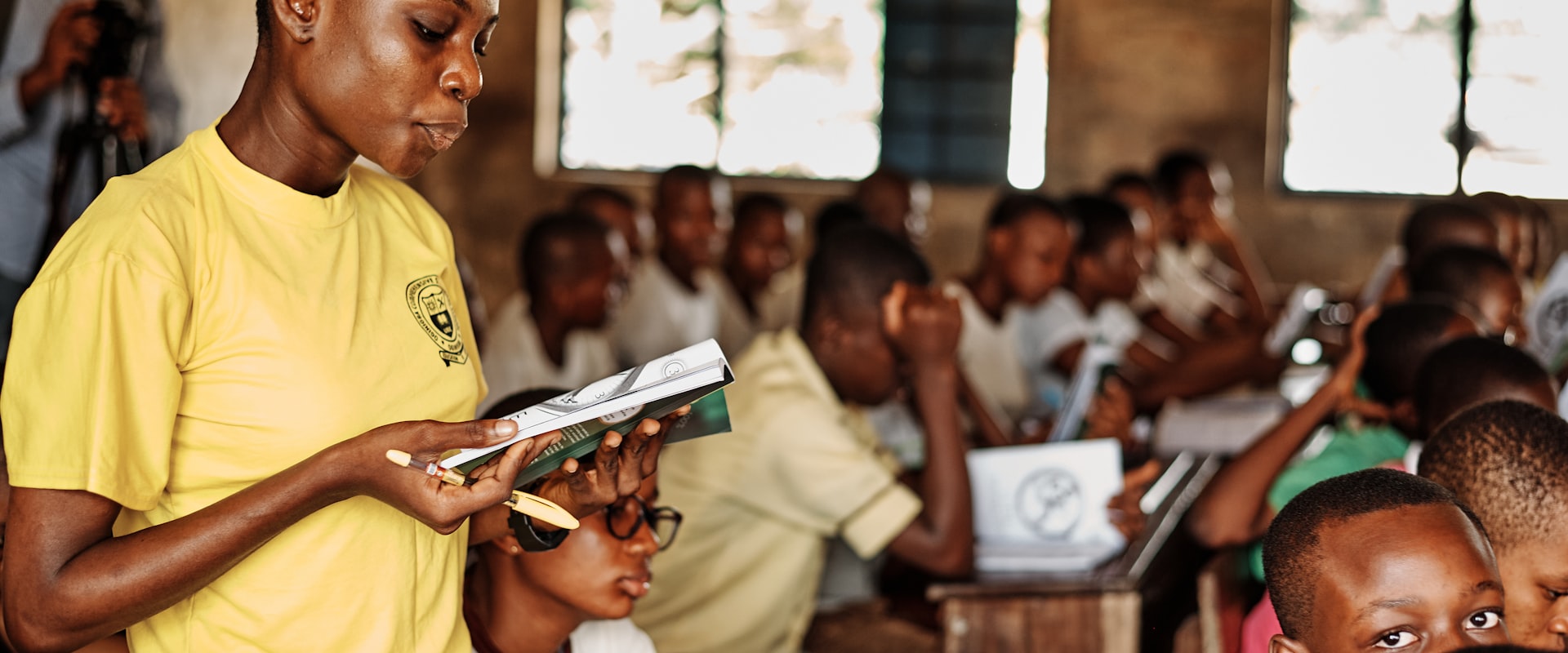
Poverty is never one problem. It is hunger and illness and immobility all at once — so we work on all of it, in the same communities, for as long as it takes.
A food parcel does not help much if the child eating it cannot reach a clinic. So our six programmes run side by side, in the same places, for the same families.
We start by listening. Every community tells us what it actually needs before we commit a naira — and then we stay, measuring what changes and publishing what does not. Some of this work lasts a week, after a flood. Some of it is meant to outlast us.
What follows is all six, in full: what each one does, who it is for, and how it actually runs on the ground.
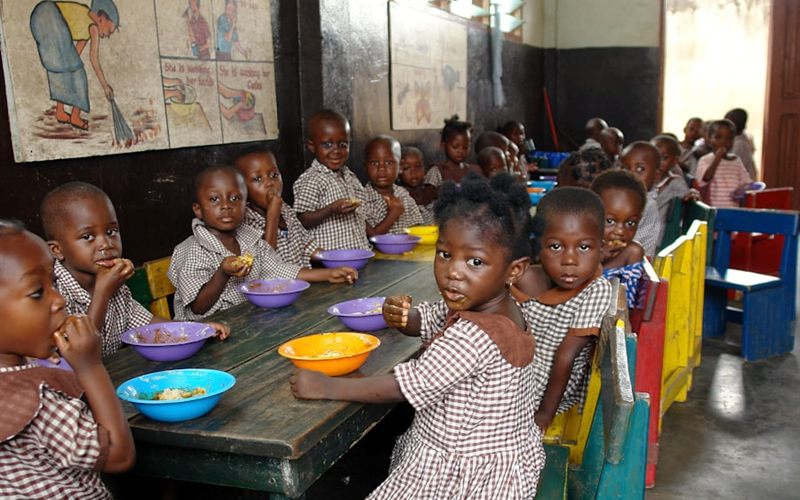
Hunger is the emergency that never makes the news. We run daily feeding programmes in schools and community kitchens, distribute family food parcels, and treat acute malnutrition in children under five — because a child who is hungry cannot learn, and a parent who is hungry cannot work.
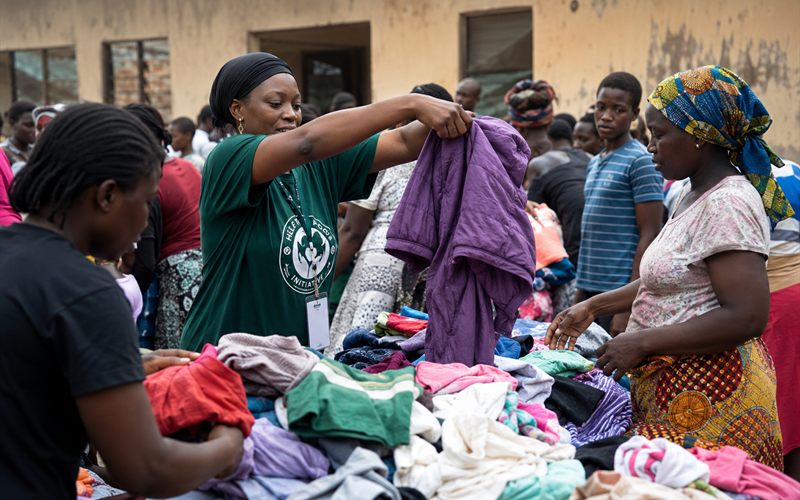
Dignity is practical. A school uniform decides whether a child is allowed through the gate. A mattress decides whether a family sleeps on concrete. We supply clothing, bedding, school kits and hygiene essentials — chosen with families, not handed down to them.
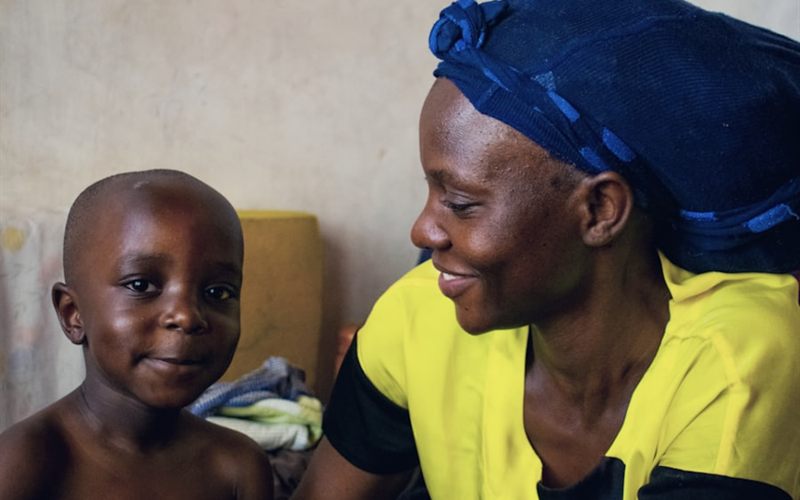
For most of the families we serve, the barrier is not distance — it is the consultation fee. We run mobile clinics, cover treatment costs, supply medicines, and train community health workers who stay long after our vehicles have gone.
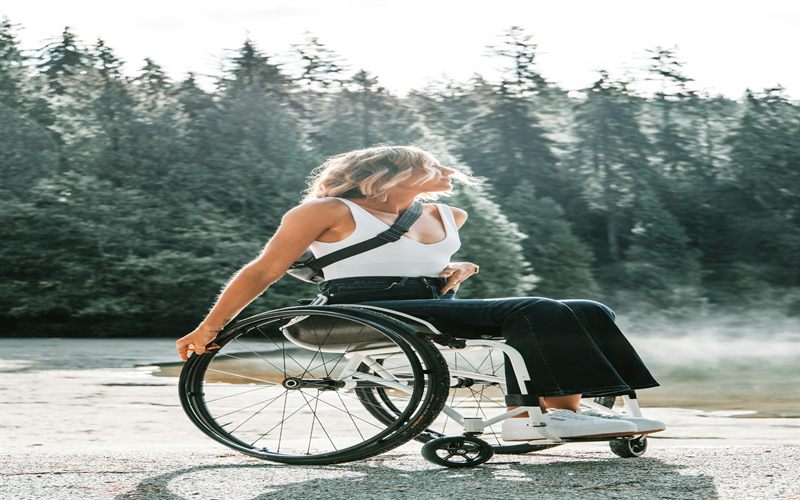
A wheelchair that does not fit is not a gift, it is an injury waiting to happen. Every chair we provide is assessed, fitted and followed up by a trained technician — and we repair what we supply, for as long as the person needs it.
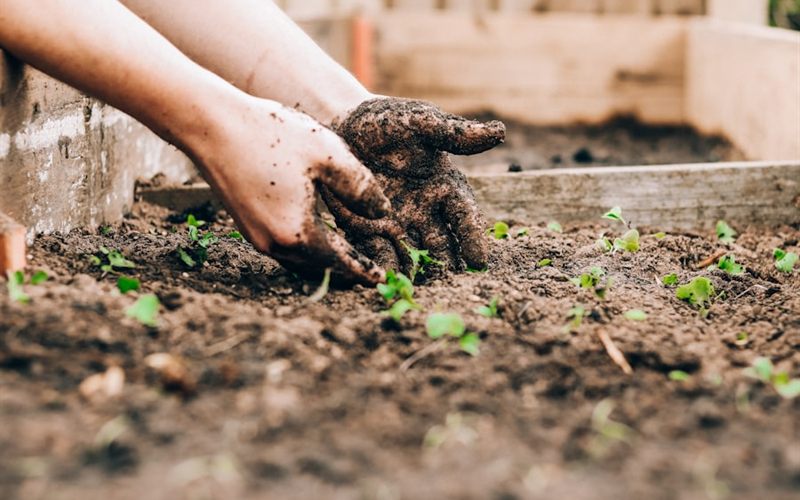
The families hit hardest by a changing climate are the ones who did least to cause it. We plant trees, protect water sources, install clean cookstoves and teach farming that survives a bad season — so that the gains from every other programme are not washed away.
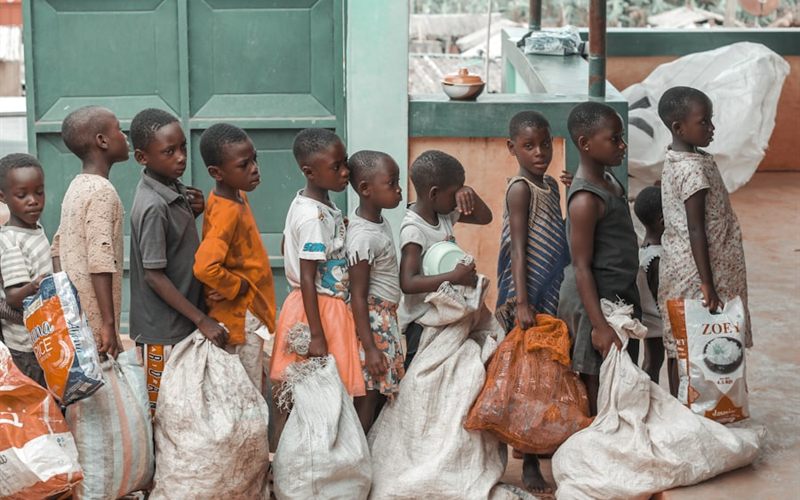
When a flood or a fire takes everything overnight, the first seventy-two hours decide the next twelve months. We keep pre-positioned stock and trained local teams so we can move immediately — and then stay long enough to help families rebuild rather than merely survive.
The same four steps, in every community, every time.
We sit with community leaders, women's groups and families before we plan anything. They name the need; we do not guess it.
Programmes are delivered by people who live there. It is faster, cheaper, and it does not collapse when we leave.
We track what changed against what we promised — and publish the results that flatter us alongside the ones that do not.
We do not leave when the photographs are taken. We are still in every community we have entered since we registered.
You can fund one specific programme, or let us direct your gift wherever the need is sharpest this month. Either way, you will know exactly where it went.